Visiting Again the Battle of Guilford Courthouse 2026 Reenactment

I’ve always enjoyed road trips. As I’ve gotten older, though, I’ve learned my limits—about five hours is now my comfortable maximum. That rule was tested when I decided to attend the Battle of Guilford Courthouse reenactment in Greensboro, North Carolina, a nearly eight-hour drive. My first reaction was an honest yikes. Could I still do this?
Heading south, I couldn’t help thinking of Willie Nelson’s “On the Road Again,” an upbeat anthem celebrating freedom and wanderlust. It felt fitting.
I had attended this event before—but that was fifteen years ago. Hard to believe how quickly time flies. I left early on Friday and, aside from the usual minor traffic delays around Washington, D.C. (there always are), the drive went smoothly. By midafternoon, I arrived in Greensboro. My first stop was the Guilford Courthouse National Military Park visitors' center. Afterward, I grabbed dinner and checked into my hotel, turning in early to rest up for the big day ahead.
Saturday morning began warmly. I met an old fraternity brother I hadn’t seen in almost 50 years. Over breakfast, we caught up and shared college stories—one of those conversations that makes the years in between feel shorter.
Just a few miles away, Country Park is a large recreational area with lakes, wooded trails, open meadows, and athletic facilities, including disc golf, tennis courts, soccer fields, and playgrounds. The park also includes preserved Revolutionary War battlefield land and regularly hosts community events, festivals, and this reenactment.
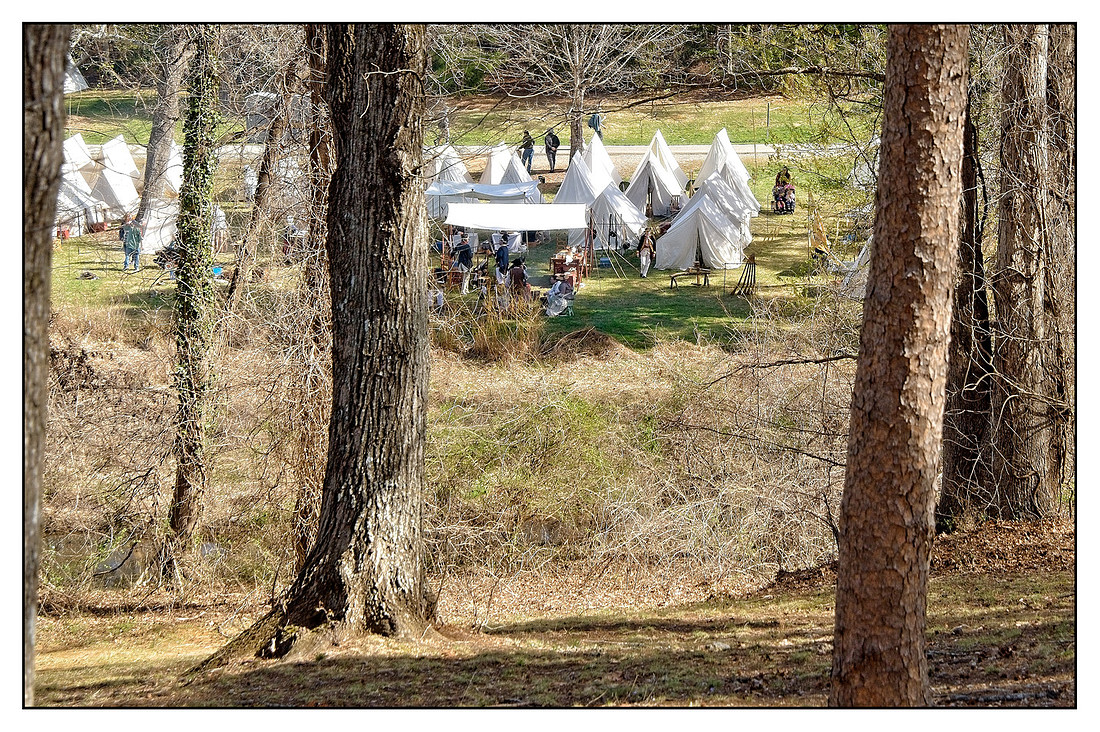
About a hundred yards from the parking lot, down a gentle slope, lay the American and British camps. Seeing them brought back memories from my last visit. For this photograph, I used the two main logs in the foreground to frame the scene—a quiet moment where past and present met.
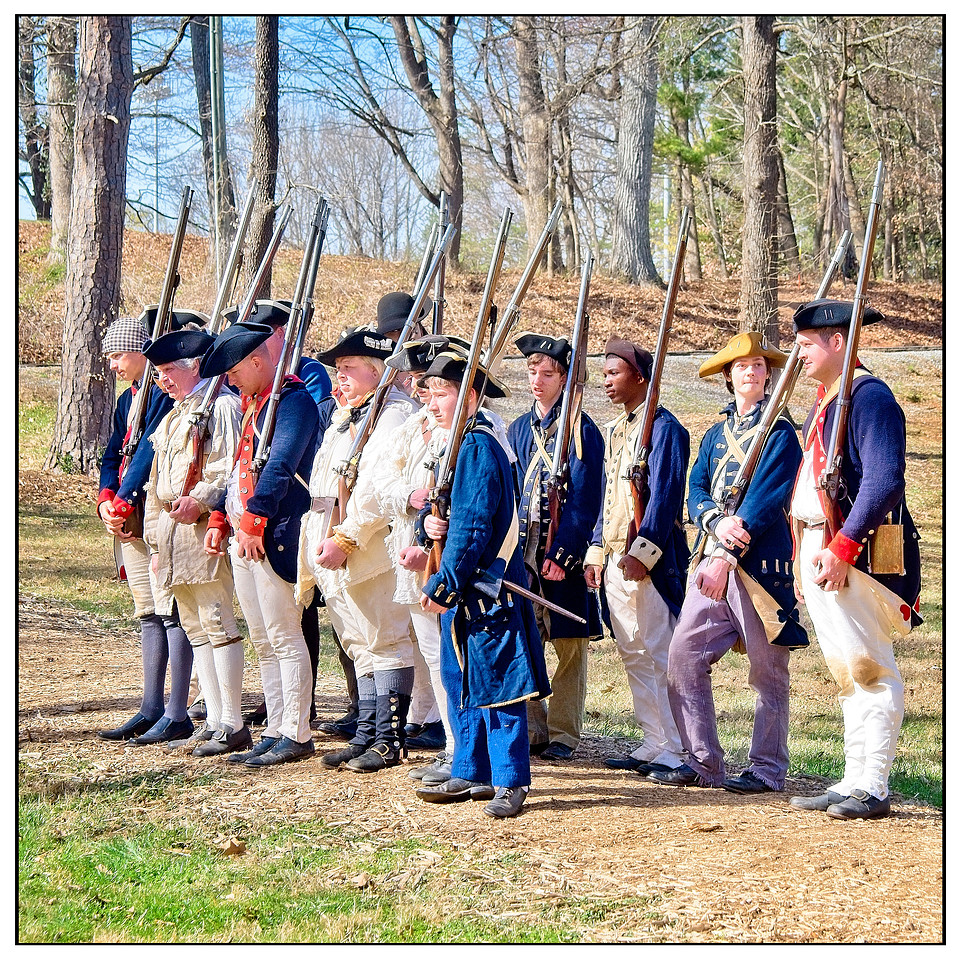
 When I looked back at this photo, I quickly noticed the number of young men in the ranks—and that’s a very good thing. Over the years, most reenactors I’ve seen are my age, which isn’t ideal for the hobby’s long‑term health.
Reenacting, though, is an expensive pursuit. Most new infantry reenactors spend anywhere from $800 to $2,500 just to become fully field‑ready. You can start for less by borrowing gear from a unit and upgrading gradually, but the costs don’t stop there. Travel, lodging (if not in a tent), and other event‑related expenses add up quickly. Time is another major commitment, with numerous events spread across the calendar each year.
Because of all that, I truly admire those young recruits who choose to participate in these reenactments. Their dedication—of both time and resources—bodes well for the future of the hobby and inspires hope that our shared passion will continue to thrive for generations to come.
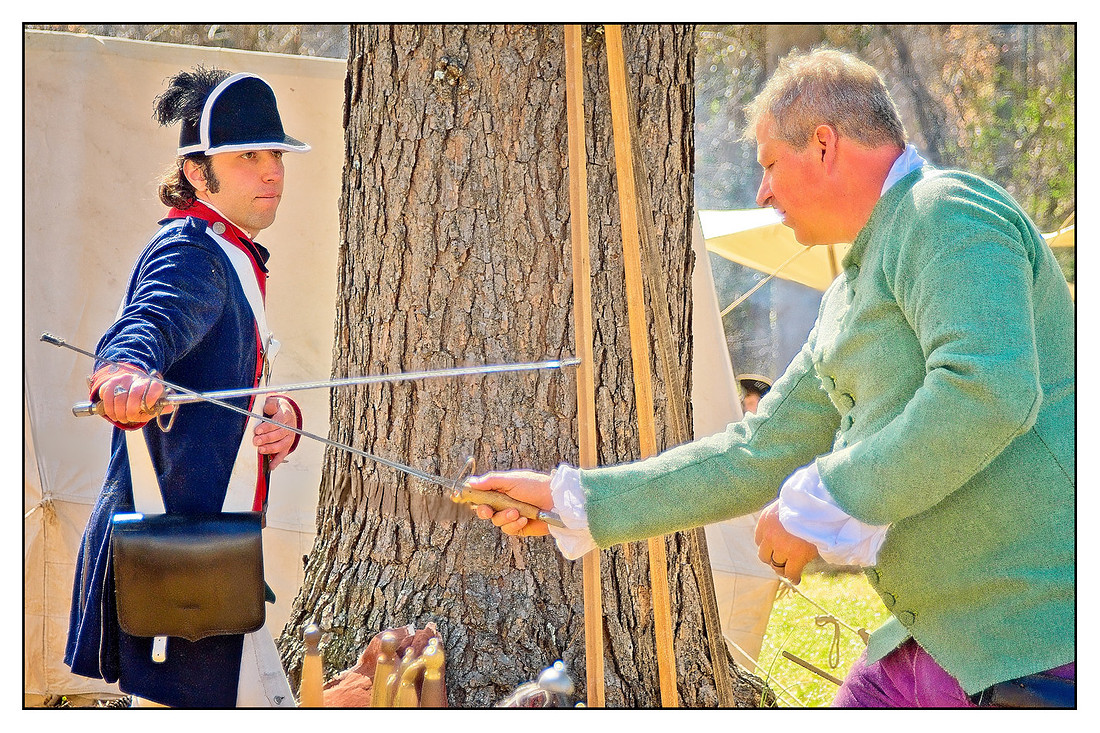
 When attending American Revolution events—reenactments or festivals—you never quite know what you’ll see or what will unfold. Yes, there’s usually a schedule that highlights the major moments, but so much of the experience happens in between.
While walking through the camps, I unexpectedly came across a fencing demonstration. It wasn’t planned or staged—it just happened. The swordsman in green was explaining feinting, parrying, and other sword‑fighting techniques to a small group of spectators. The exchange felt spontaneous and authentic, and it was a lot of fun to watch.
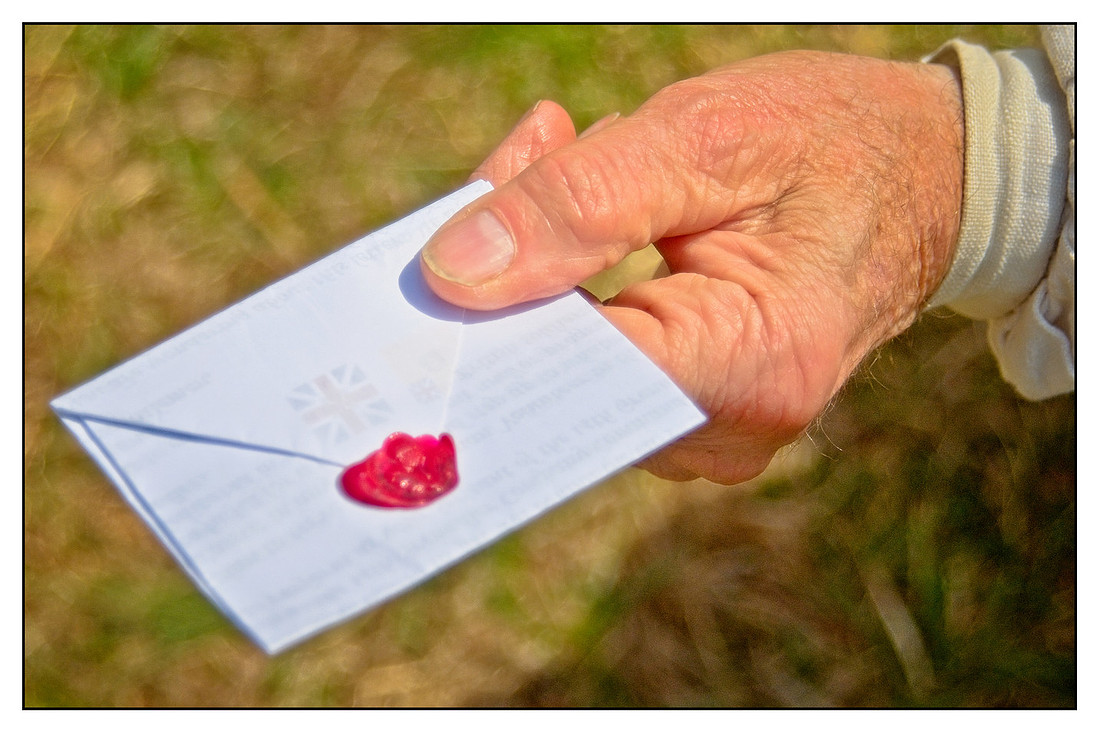
 Being in the right place at the right time matters in life and in photography. While speaking with an officer of the 14th Regiment of Foot, he was unexpectedly handed a letter sealed with plant-derived rosin—a material historically used in 18th-century correspondence, rather than modern wax.
The envelope bears faint printed text and a blurred Union Jack watermark, both of which are unreadable. Moments later, the opportunity vanished. Had I arrived minutes earlier or later, I would have missed this scene.
These fleeting, unscripted moments have occurred at other events, reinforcing a lesson photography teaches presence and timing matter.
 As I write this blog in March, it is Women’s History Month in the United States—a time dedicated to recognizing the achievements, contributions, and lasting impact of women throughout American history. The month celebrates women’s roles in our social, cultural, political, and economic life, while also highlighting the continued pursuit of equality.
It inevitably brings to mind Abigail Adams’s famous “Remember the Ladies” message, written in a 1776 letter to her husband, John Adams, urging him to consider women’s rights and protections as new laws were being formed. She boldly warned that women would not submit to laws in which they had no voice, making her words an early and powerful call for gender equality in the United States.
At every reenactment or historical festival, women are a visible and vital presence in the camps. During the American Revolution, many women were known as camp followers, accompanying Continental and British armies as soldiers’ wives, widows, or paid workers. They provided essential support by cooking, laundering, nursing the wounded, and sometimes even carrying supplies or ammunition during battles. At reenactments today, you’ll see these same roles faithfully portrayed, especially as women prepare meals and keep camp life running.
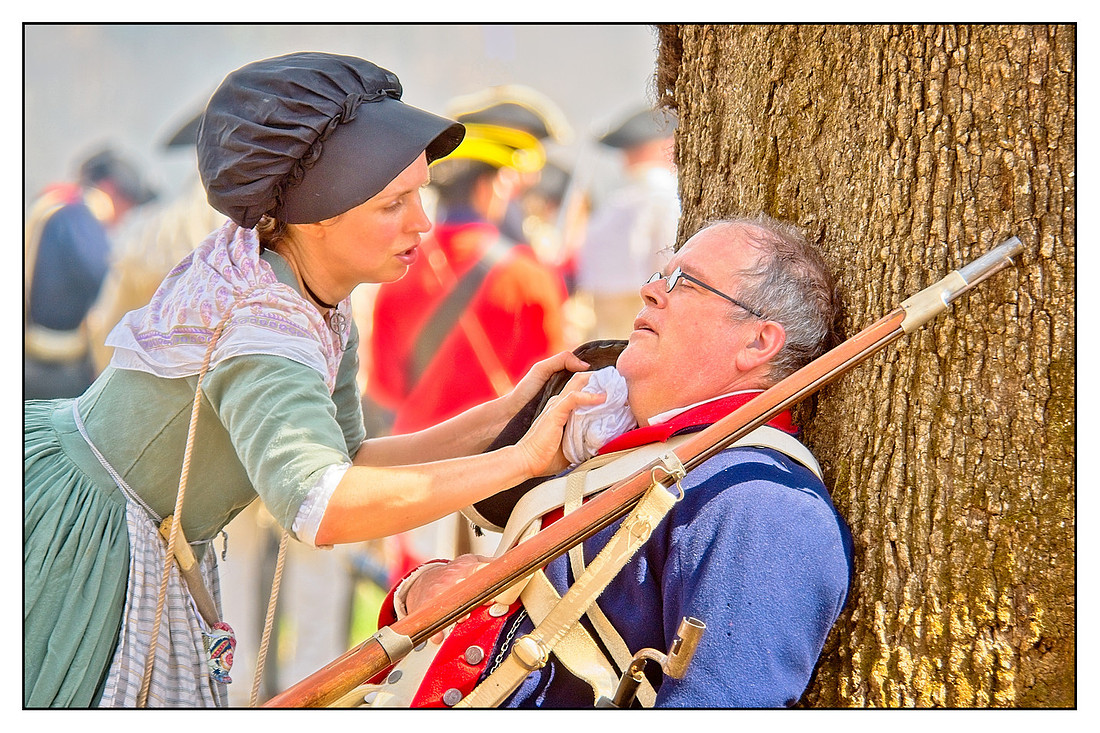
A few women also took on active combat roles, disguising themselves as men or directly assisting on the battlefield by carrying ammunition or tending to the injured under fire. Here, you can see a woman caring for a “wounded” soldier during the reenactment. Let’s not forget these women—they are an essential part of the story and a big reason why these events are so meaningful and special.
 Click here for Battle of Guilford Courthouse 2026 Photo Gallery!
Unfortunately, I was only able to attend the event for one day due to family responsibilities. Immediately after the reenactment concluded late Saturday afternoon, I began the long drive home. It was a tiring journey, but well worth it—I finally made it to bed around 1:00 a.m. Sunday morning.
Thank you for reading! Blog #108 will be posted on April 15, 2026. Be safe & well!
Huzzah,
Ken Bohrer