10 Favorite American Revolution Reenactment Photos from 2007-2016-1 of 2

I’ve photographed American Revolution reenactments since 2007, which feels like a lifetime ago. This blog grew from two connected reasons.My recent trip to Guilford Courthouse in Greensboro, NC—my first in 15 years—made me realize how much I had forgotten from earlier visits. Looking through my gallery, I was struck by the strength of images I didn't remember. With over 12,000 photos now on my site, revisiting them all can feel overwhelming, but it also shows how much my experiences and collection have grown.
The second reason for my reflection comes from seeing my work resurface in unexpected ways. For example, my friend Harry Schenawolf, founder of the American Revolution Journal, who extensively writes about the American Revolution, often draws upon my photographs to illustrate his articles, and he has an uncanny knack for rediscovering images I haven’t seen—or even thought about—in years. More than once, I’ve found myself asking in genuine surprise, “Is that really my photo?”
From his website:
That made me realize it was the perfect moment to revisit my earliest galleries, reminisce, and pick 10 favorite images from 2007 to 2016, when I was still finding my footing as a photographer. To keep it interesting, I skipped images I’d already featured. In that spirit, think of these as album tracks—overlooked songs that never charted but still resonate, waiting to be rediscovered.
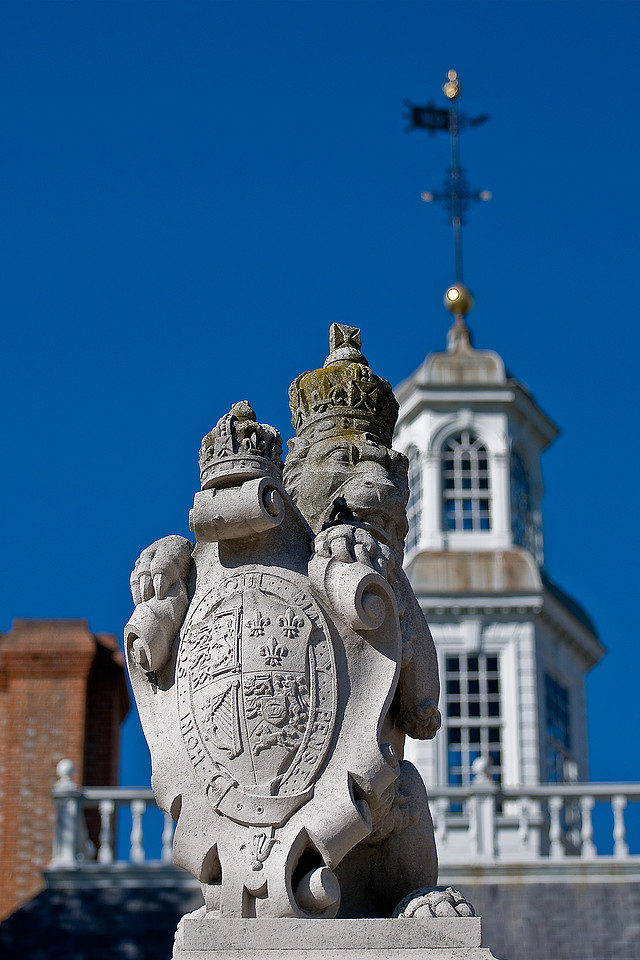
As I’ve mentioned in my blogs, my favorite place to unwind is Colonial Williamsburg, VA. The lion statue here—paired with the unicorn—stands at the entrance to the Governor’s Palace, built in 1722. I’m drawn to this image because the lion is sharp while the Capitol and its cupola partially out of focus behind it.

Panning is when you move your camera side to side, matching your subject's motion to keep it sharp while the world streaks by. It’s not an exact science—sometimes it works, sometimes it doesn’t.
This image was taken at Mt. Harmon in 2011 and might have been the first time everything truly came together for me—the rider and the horse’s head are tack sharp, while the background dissolves into a soft, streaked blur. The sense of speed and purpose is unmistakable.
Looking back, it’s simply a really good photograph—one I had almost forgotten. Still, it holds up and reminds me why I love chasing moments like this, and why panning feels so rewarding when it works.

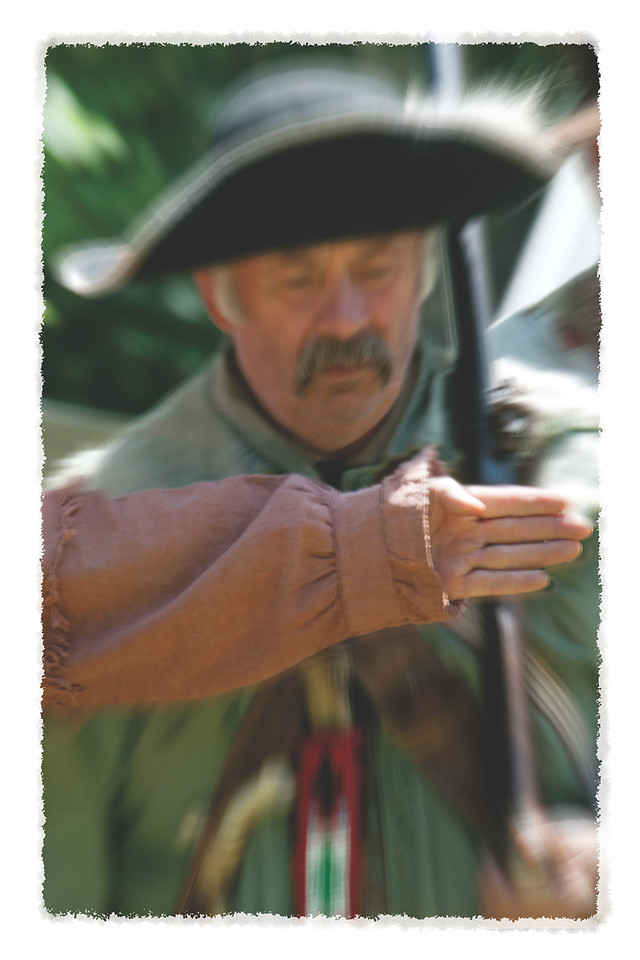
Some of my photos are funny almost by accident, like this one from the Battle of Monmouth in 2014. The reenactor was likely lining up in formation before the troops began their march. I often photograph both American and British units; it gives me close‑up access and more opportunities for unique images.
As I moved along the formation taking photos, something unusual caught my eye in the viewfinder: an arm thrust forward at chest level, the hand rigid and straight, fingers joined, as if signaling—or perhaps targeting—in a specific direction. The soldier himself seems utterly unaware of the moment.
I’ve always remembered this shot, which is usually a sign of a good photograph—one that reveals an unplanned, slightly humorous slice of life.
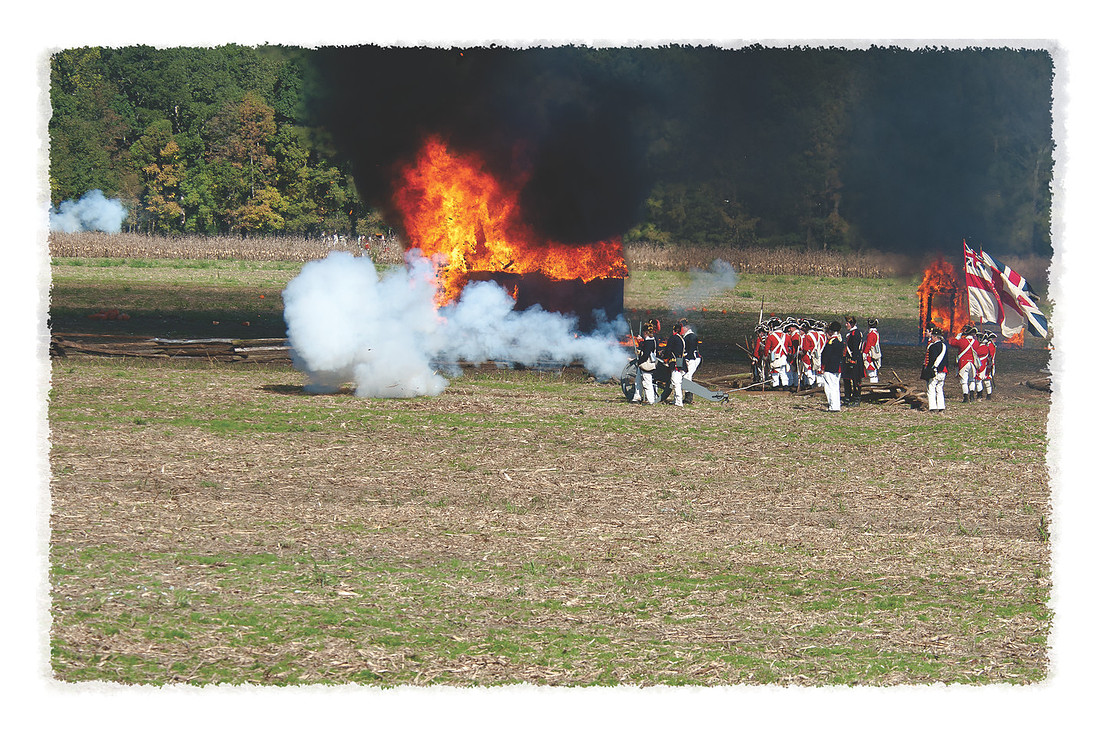
The Return to the Hook in 2013, held on a narrow strip of land along the York River directly across from Yorktown, VA, was one of the most unique and unforgettable reenactments I’ve ever attended. The action portrayed events that helped set the stage for the eventual capture of General Charles Lord Cornwallis’s army at Yorktown, beginning with engagements involving British cavalry under Banastre Tarleton, who initially pressed the American forces before being forced back.
Two elements made this event truly special.
First, the organizers constructed two square wooden towers, nearly three stories high and roughly 10–12 feet wide, specifically designed for photography and video coverage. I was granted access to these towers, and from that elevated vantage point I was able to view—and photograph—the entire reenactment from a perspective I’ve never had before. It offered a sweeping, almost cinematic view of the battlefield.
But the event is best remembered for something no other reenactment has ever matched: the on-site construction and deliberate burning of a period farm cabin as part of the interpretive storyline. If memory serves, the cabin’s construction was just being finished when I first arrived. Later, its destruction vividly illustrated the real-world impact of the war on civilians, not just soldiers.
I photographed the burning extensively, and this image remains one of my most memorable from the event. Never before—or since—have I seen anything like this at a reenactment.
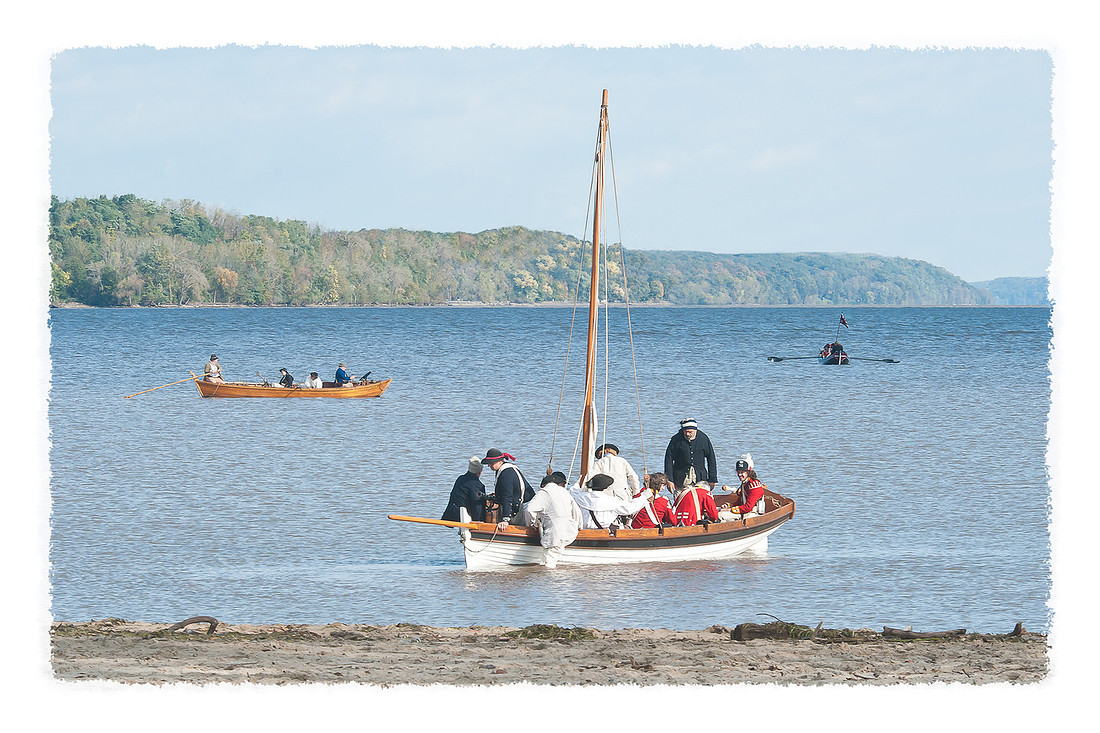
 This photograph was taken during the 2011 Burning of Kingston reenactment, an event marked by a beach landing—a feature rarely seen at Revolutionary War reenactments. From memory, only a handful of boats were involved, likely between three and five in total, with just one to three operating during any given scenario. These were small, open, colonial‑style watercraft, used to stage historically accurate shore landings by British Crown forces, adding an extraordinary layer of realism and immersion to the event. In this image, soldiers can be seen on the verge of landing, capturing a fleeting moment of tension and anticipation.
The scene in this photograph brings to mind one of my musical favorites—the one and only Sir Rod Stewart, the iconic singer of the 1960s and 1970s. Just as the soldiers prepare to land, Stewart’s song “Sailing” echoes the sense of movement, longing, and quiet reflection. Although it was only a minor hit in the US, it became a defining British chart classic, perfectly complementing the mood captured in this moment.
 Thank you for reading! Blog #109 will be posted on May 1, 2026. Be safe & well!
Huzzah,
Ken Bohrer